


March 3, 2026 •Dr. Julie Sessions, Curriculum Consultant

While AI has the power to help us teach and learn about sustainability, it’s important to remember that AI itself uses energy and sometimes a lot of it. Training and running large AI models requires significant computing power, which can lead to higher carbon emissions if powered by fossil fuels. But there are ways to reduce its environmental impact. Read about some of them below.
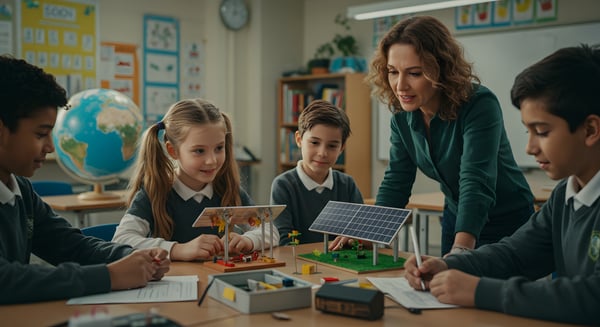
Make these simple steps a habit to help reduce your own impact.
Use AI Intentionally: Only generate what you need.
Encourage Digital Over Printed Materials: Save paper and ink.
Choose Platforms That Invest in Renewable Energy: Some AI companies are working to offset their carbon footprint.
Teach Digital Citizenship: Help students understand the balance between tech innovation and sustainability.

Generative AI is the ultimate time-saver and creativity booster, but it can also help you teach and model sustainability. Here’s how to use it (with a green twist):
Eco-Friendly Lesson Planning: Instantly generate sustainability-themed lessons, activities, projects, and discussions.
Resource Conservation: Reduce paper use — create digital worksheets, quizzes, and feedback.
Differentiate for Green Learners: Adapt environmental articles or data sets, which might include complex language, for all reading levels.
Green Communication: Draft newsletters or emails to share your class’s sustainability efforts. You can also use it to research local green initiatives.
Read one of our recent blogs to take a deeper dive into using generative AI in the classroom.
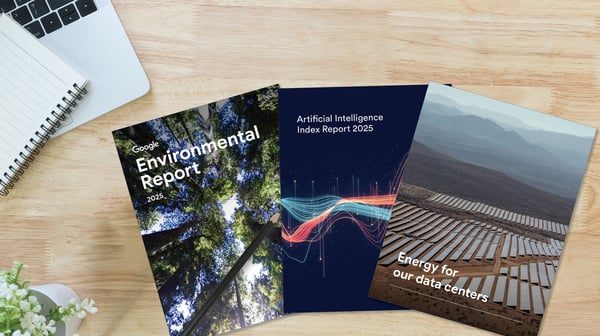
Curious about the real-world impact of AI on the environment? Several organizations and tools offer clear, up-to-date insights into energy use and sustainability in the tech world. Whether you want to see how much energy data centers consume or estimate the carbon footprint of an AI tool, these resources can help.
AI Index by Stanford University: This comprehensive, annual report includes sections on AI’s environmental impact and energy use.
Google Environmental Report: This is an annual rundown that shows Google’s data center energy usage and sustainability efforts.
Microsoft Sustainability Report: Learn about Microsoft’s annual energy use and carbon emissions, including those from Azure, which hosts many AI models.
Electricity Maps: This company tracks the real-time carbon intensity of electricity production worldwide, helping us understand local data center impacts.
Carbon Calculator for AI: This online tool lets you estimate the carbon footprint of training or running an AI model.
Want to see the environmental impact of your own AI use, or have your students check theirs? Try the AI Footprint Estimator. This student-friendly tool lets you enter details about your AI searches or projects and instantly calculates the estimated carbon footprint. It’s a great way to connect technology with sustainability, helping you make smarter choices about when and how you use AI tools. Challenge yourself or your class to compare footprints and brainstorm ways to reduce your digital impact!
As we embrace the exciting possibilities of generative AI in education, it’s important to remember our responsibility to the planet. By choosing digital tools thoughtfully, exploring the environmental impact of our technology use, and seeking ways to reduce our digital footprint, we can make AI a force for both innovation and sustainability. Together, teachers and students can lead the way by using AI not just to learn and create, but to build a greener, more mindful future.