


May 5, 2026 •Dr. Julie Sessions, Curriculum Consultant
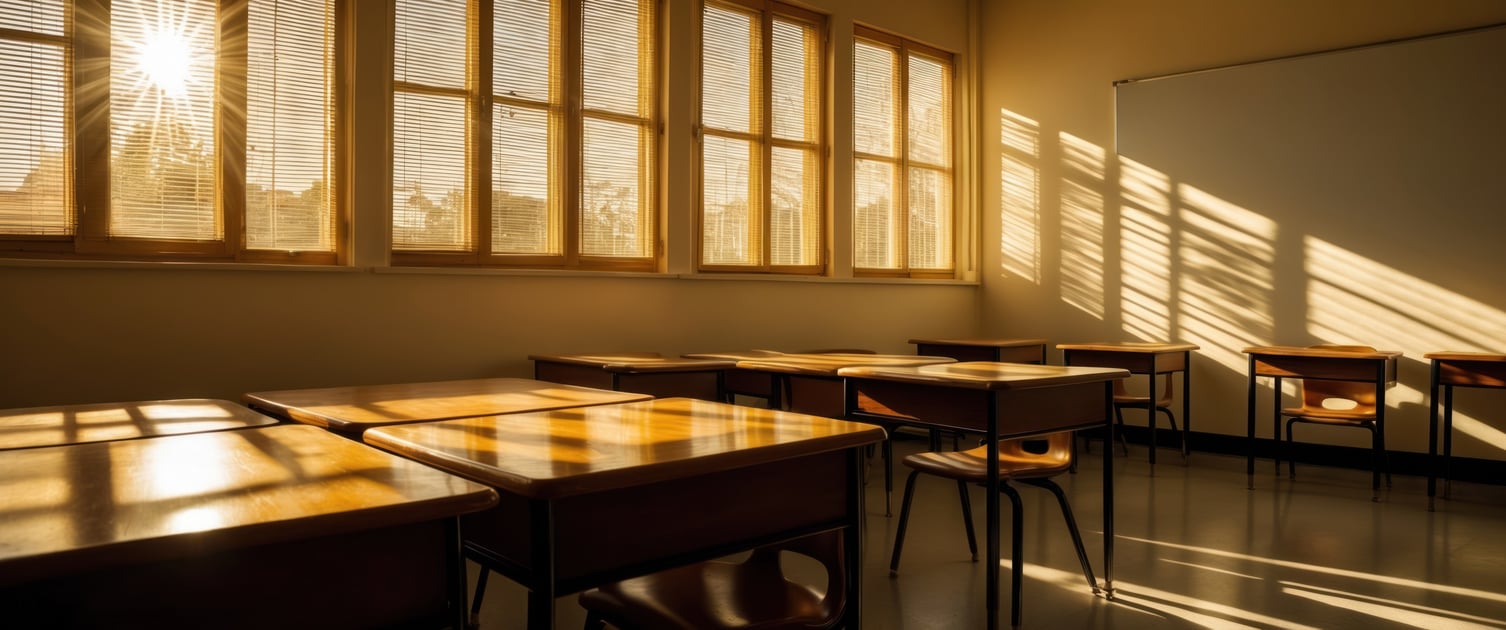
As the school year draws to a close, classrooms bustle with final projects, celebrations, and preparations for summer break. This is the perfect time for teachers and students to practice energy conservation and waste reduction together. An end-of-year clean-out not only saves your school energy and resources over the summer but also reinforces sustainable habits for students and the entire school community.
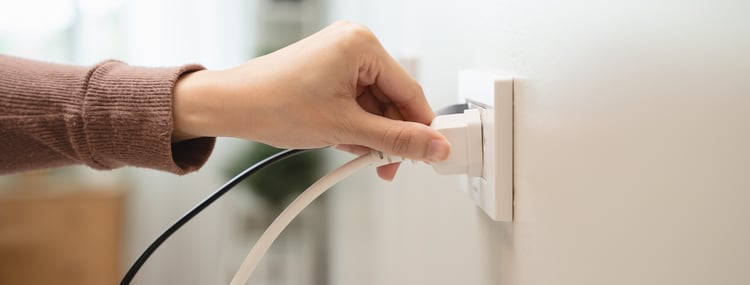
The Great Unplug Challenge
Have students conduct a sweep of the classroom to identify all electronics and devices (computers, lamps, chargers, etc.). Create a checklist and work together to:
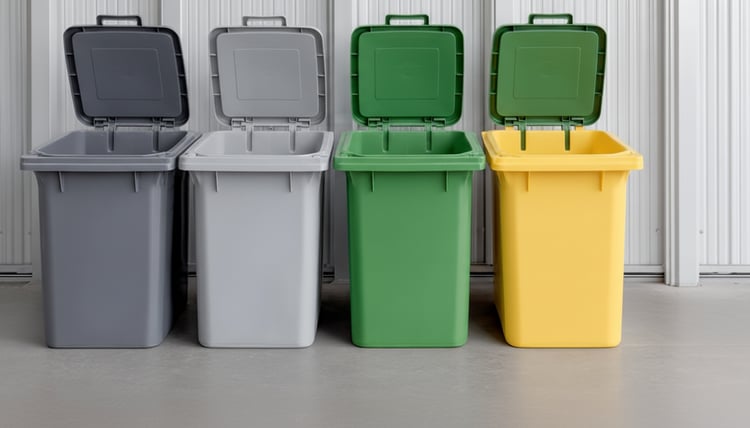
Sustainable Sort-Out
Organize students into teams to sort through classroom supplies, papers, and materials. Provide separate bins for:
Encourage students to reflect on how much can be reused or recycled versus what ends up in the trash.
Window and Light Check
Assign students to ensure all blinds and curtains are closed or adjusted to block summer heat and sunlight. Double-check that all lights are off before leaving for the break.
Energy Reflection Journal
Have students write a brief reflection about their favorite energy-saving action from the year and set a goal for how they can conserve energy at home or school over the summer.
Communicating with the Administration
A great way to get the whole school involved is to share your success and savings with the administration.
Invite feedback by asking administrators to share data on summer energy savings with staff and students in the fall, reinforcing the value of everyone’s efforts.

Here is a sample list of items that can be on a classroom checklist:
Unplug all classroom electronics (computers, chargers, lamps)
Power down all devices and equipment
Organize supplies for reuse next year
Recycle unused papers and materials
Donate usable supplies to other classrooms or programs
Close blinds and curtains to reduce summer heat gain
Turn off all lights and ensure switches are off
Clean vents and remove items blocking airflow
Check windows and doors for proper closure
Complete student energy reflection journals
A thoughtful end-of-year clean-out is more than just tidying; it’s a meaningful opportunity to teach students about stewardship, responsibility, and the power of collective action. By working together to reduce waste and save energy, teachers and students can make a measurable difference for their school and the planet. By sharing results with administration, you help build a culture of sustainability that lasts all year long.