


November 14, 2025 •Dr. Julie Sessions, Curriculum Consultant
As the leaves fall and days grow shorter, November invites educators to reflect, connect, and inspire. This month, we celebrate Native American Heritage Month and focus on sustainability — making it the perfect time to blend local conservation efforts with Indigenous perspectives in our classrooms.
The Bureau of Indian Affairs (BIA) plays a vital role in supporting conservation efforts and sustainable land management across tribal nations in the United States. Through programs focused on natural resources, wildlife protection, power utilities, energy and minerals, and renewable energy, the BIA collaborates with Indigenous communities to honor traditional ecological knowledge and promote responsible stewardship. Educators can use the BIA’s resources to help students explore how Native nations lead in conservation — blending heritage and innovation — to protect natural resources for future generations. Highlighting these efforts during classroom discussions not only enriches students’ understanding of sustainability but also affirms the leadership of Indigenous peoples in caring for our shared environment.
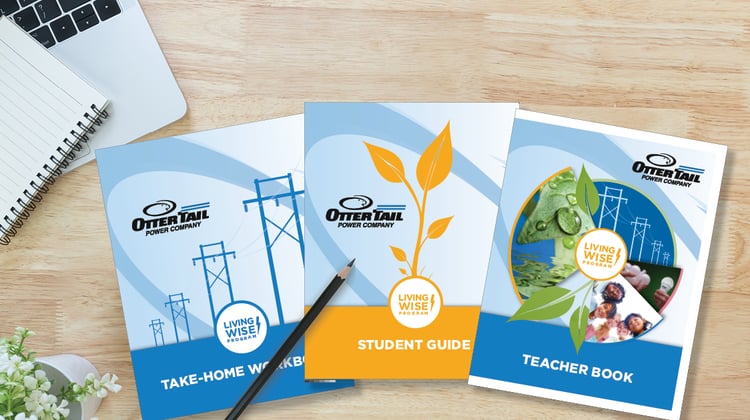
The Otter Tail Power Company’s LivingWise program supports Indigenous education standards (Social Studies standards) by encouraging students to exchange ideas and perspectives on energy conservation. Through discussion and collaborative activities, students connect their choices to broader themes of stewardship found in Indigenous traditions and evaluate how humans impact the environment over time. This approach helps students see conservation not just as a scientific issue, but as a shared cultural and civic responsibility rooted in both Indigenous wisdom and community action. Minnesota’s Department of Education has an Office of American Indian Education whose mission is to strengthen and promote positive experiences and educational outcomes for American Indian students statewide.

Indigenous education standards naturally align with sustainability because they emphasize the interconnectedness of people, land, water, and all living things. These standards draw from traditional ecological knowledge, which teaches respect for natural resources and the importance of stewardship from one generation to the next. By centering Indigenous perspectives, educators help students understand that caring for the environment is a cultural value and community responsibility, not just a scientific or economic choice. Integrating these standards into sustainability lessons empowers students to see conservation as an ongoing relationship with the Earth — one rooted in reciprocity, respect, and the wisdom of those who have stewarded these lands for centuries.